
Master Plumbing Cost Estimation with Spreadsheets
Estimating plumbing costs can be a headache! But it doesn’t have to be. I’ve cracked the code on how to master plumbing cost estimation using spreadsheets. This method saves time, cuts errors, and boosts your profits. Ready to take control of your plumbing projects? Let’s dive in!
Why Plumbing Cost Estimation Matters
Getting your plumbing cost estimation right is crucial. It sets the tone for your entire project. Too low, and you lose money. Too high, and you scare off clients. Accurate estimates build trust and keep your business thriving.
Here’s why you need to nail it:
Avoid surprises: Know exactly what materials and labour will cost.
Win more jobs: Clients love clear, professional quotes.
Manage cash flow: Plan your expenses and profits better.
Save time: Stop guessing and start calculating fast.
Using spreadsheets for plumbing cost estimation is a game-changer. They let you organise data, calculate totals automatically, and update figures instantly. No more fumbling with paper or complicated software!
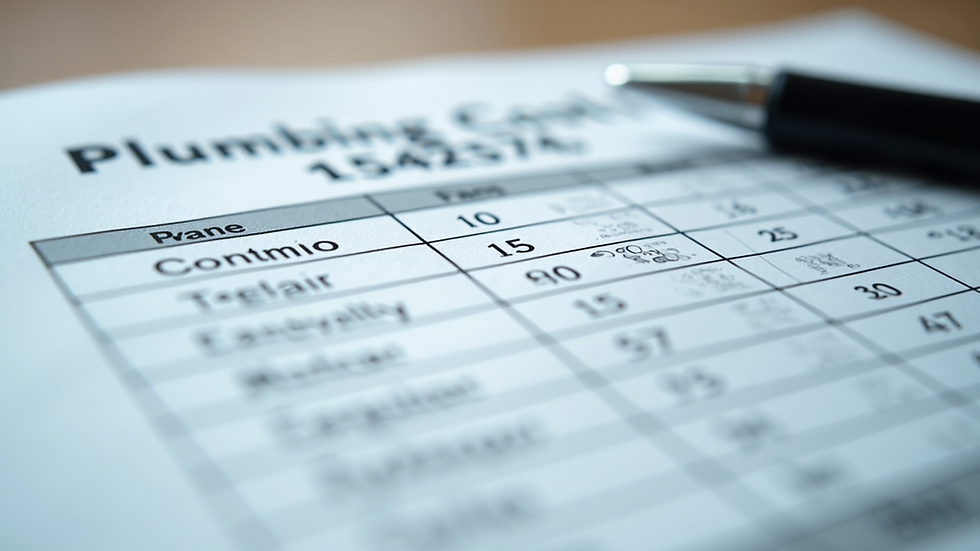
Plumbing Cost Estimation Made Simple
Let’s break down plumbing cost estimation into easy steps. You don’t need to be a math whiz or tech expert. Just follow this simple process:
List all materials: Pipes, fittings, valves, fixtures, and more.
Calculate quantities: Measure lengths, count items, and estimate waste.
Add labour costs: Include hours, rates, and any subcontractor fees.
Include overheads: Transport, permits, tools, and insurance.
Apply profit margin: Decide your markup to ensure profit.
Spreadsheets help you organise all this info neatly. You can create columns for each category and use formulas to add everything up. This way, you get a clear, professional estimate every time.
Here’s a tip: Use dropdown lists for common materials and labour types. It speeds up data entry and reduces mistakes.
How to do plumbing estimates?
Start by gathering all project details. Get the blueprints, site measurements, and client requirements. The more info you have, the better your estimate.
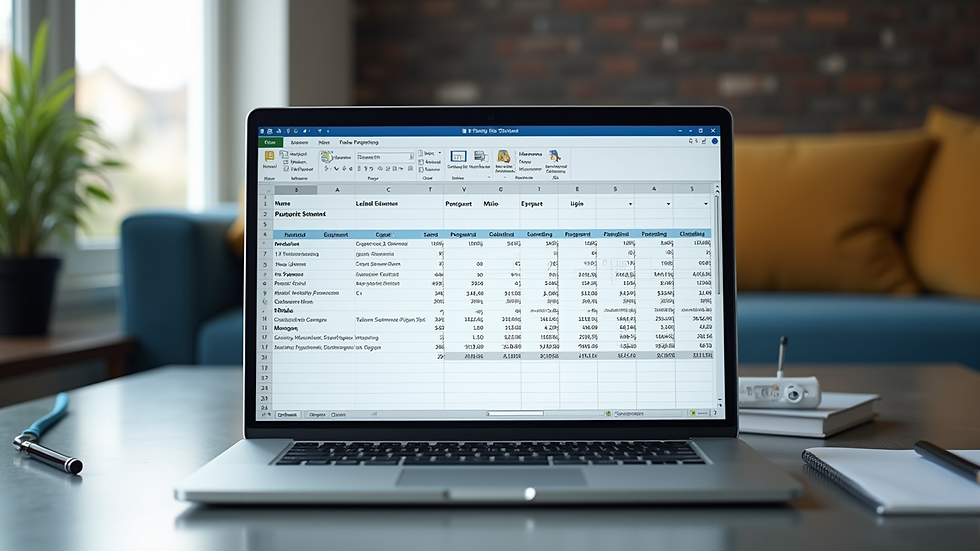
Next, open your spreadsheet and set up these columns:
Item Description: What you need (e.g., 20mm copper pipe)
Unit: Meter, piece, hour, etc.
Quantity: How many units you need
Unit Cost: Price per unit
Total Cost: Quantity x Unit Cost
Use formulas like `=B2C2` to calculate totals automatically. Add a row at the bottom for *Labour, Overheads, and Profit
.
Double-check your quantities. For example, if you need 50 meters of pipe but expect 10% waste, enter 55 meters. Always round up to avoid shortages.
Once your spreadsheet is complete, review it carefully. Look for any missing items or unrealistic costs. Adjust as needed.
Finally, present your estimate clearly to your client. A well-organised spreadsheet shows professionalism and builds confidence.
Tips to Boost Accuracy and Efficiency
Want to get even better at plumbing cost estimation? Here are some quick tips:
Keep your price list updated: Material and labour costs change often. Update your spreadsheet regularly.
Use templates: Save your spreadsheet as a template for future jobs. It saves time and keeps consistency.
Track past projects: Compare estimates with actual costs to improve accuracy.
Include contingencies: Add a small buffer (5-10%) for unexpected expenses.
Automate calculations: Use spreadsheet functions to reduce manual errors.
If you want a ready-made tool, check out the plumbingcosts apcg spreadsheet for a powerful, easy-to-use solution. It’s designed specifically for plumbing contractors and makes cost estimation a breeze!
Maximise Your Profits with Smart Estimation
Accurate plumbing cost estimation isn’t just about covering costs. It’s about maximising profits! Here’s how to do it:
Know your break-even point: Understand the minimum price you can charge without losing money.
Add value: Offer clients options for premium materials or faster service at higher prices.
Negotiate wisely: Use your detailed estimates to justify your prices.
Avoid underbidding: Don’t slash prices just to win jobs. It hurts your business long-term.
Review and refine: After each job, analyse your estimate vs actual costs. Learn and improve.
Spreadsheets give you the power to experiment with different pricing scenarios. Change labour rates or material costs and see how it affects your bottom line instantly.
Take Control of Your Plumbing Projects Today!
Stop guessing and start mastering plumbing cost estimation with spreadsheets! This simple tool will save you time, reduce errors, and increase your profits. You’ll impress clients with clear, professional quotes and manage your projects like a pro.
Remember, the key is to keep your data organised, update prices regularly, and double-check your work. Use templates and automation to speed up the process. And don’t forget to add a little buffer for surprises.
Ready to get started? Grab your spreadsheet, list your materials, calculate your costs, and watch your business grow!
Get your hands on the plumbingcosts apcg spreadsheet now and transform your estimating game!
Master your plumbing cost estimation today and watch your business thrive!



Comments